

Bus Accident Lawsuit in California
BUS ACCIDENT LAWSUIT
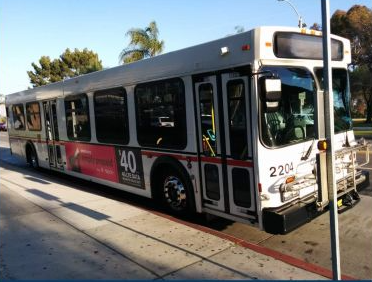

Many of us get on the bus on a daily basis or use them from time to time when it’s more convenient than driving thru a sea of traffic. Some people also need to take the bus after an accident that results in serious damage to their car. But what if you had an accident involving a city transit, public school, or private bus?
Buses come in various shapes and sizes, and there are currently around 1 million registered buses out on the road. This includes transit buses like LA Metro, school buses, and private buses for companies like Greyhound. According to recent estimates, there are around 53,000 bus crashes every year, and 14,000 of these events result in physical injuries. Approximately 35,000 people are injured in bus accidents on an annual basis, and about 250 crashes result in fatalities. It’s estimated that only around 9% of those who are killed in bus accidents are passengers on the bus. Usually, it’s a pedestrian or occupant in another vehicle that ends up with fatal injuries. This makes sense, considering that people inside the bus are better protected than someone on foot or those in smaller cars and non-motorized vehicles.
Some of the available statistics point out how different types of buses may be more dangerous than others. For instance, school buses are the least likely to be involved in a crash, but then again, it’s not really the type of bus that matters. Bus drivers are actually the most relevant factor, with drivers younger than 28 and over the age of 65 being the most likely to cause an accident. In fact, the highest rate of accidents is among drivers older than 65, no matter the type of bus and how it is used.
These figures are interesting on one level, but at the end of the day, they represent actual victims who were injured or killed by a bus accident. This is why it’s important to understand the cause of accidents on buses and how we can reduce the number of incidents. Victims and their families should also learn about their legal options, like filing a bus accident lawsuit for monetary compensation.
What can Cause a Bus Accident in California?
There is no singular reason for bus accidents in California, nor is there one party that is to blame for these accidents as a whole. It’s fair to say that the majority of incidents are due to driver error, usually distractions or careless violations of traffic laws. However, this is just one of many causes behind bus accidents, so it’s important to explore other avenues of how people can be injured by a bus.
Blind Spots
Buses are extremely large and wide vehicles, and they only have a few mirrors to help the driver see what is around and behind the vehicle. In short, there are many blind spots that make it impossible for the bus driver to see oncoming cars, bicyclists and people traveling on foot. Having said that, a bus driver must still exercise caution, like looking left, right, then left again, to ensure that no one is in the way, thereby minimizing the chance of a tragic incident.
Insufficient Training
Driving a bus involves a greater body of knowledge and skills compared to operating the average automobile. Along with extensive training, bus drivers must have a CDL, or commercial driving license and a class B license, among other certifications. Furthermore, they must undergo a training period of at least a few weeks to ensure that they can properly make turns, come to a stop, and do other things that are quite challenging in such a large vehicle. Drivers must also be aware of passenger safety, especially with children, senior citizens, and disabled individuals.
Sadly, drivers can sometimes to fast-tracked through the system because they have “connections,” or there is a lack of oversight by the company or transportation authority. At the end of the day, an unskilled driver can be the difference between life and death for many individuals on board a bus.
Driver Fatigue
Bus drivers have a long day ahead of them, and there may be tight deadlines that guarantee passengers will get from point A to B within a certain number of hours. Greyhound and Flex drivers, for example, may be required to drive for 10 or more hours at a time. This can cause drivers to be on the road without enough rest, thereby increasing the possibility of an accident. Fatigue is the leading cause of poor judgment and lowered reflexes, along with a tendency to fall asleep behind the wheel. Frankly, one can say that driving while exhausted is equally, if not, more dangerous as operating a bus while drunk or high on drugs.
Driving While Impaired
Also known as driving under the influence, this is a term that refers to the operation of a motor vehicle while you are impaired by alcohol, drugs, or prescription medication. Alcohol dependency is not uncommon among those who are on the road for long periods of time, like bus and truck drivers. Others may take illicit substances to stay awake or reduce their stress levels, and this too, can make it unsafe for them to be on the road. Even meds that are prescribed by a doctor can have side effects like drowsiness and reduced reflexes. Being impaired while operating a bus is illegal, and it’s clear that far too many lives are at risk when the driver is operating a large, commercial vehicle.
Reckless Driving
Unfortunately, some bus drivers have a tendency to drive recklessly, even though they are responsible for many people’s lives. Their actions may be out of impatience or a sense of entitlement, but no matter the cause, accidents can happen from speeding, illegal lane changes, running red lights, driving under bridges / overpasses that are too low and other traffic violations. Another possibility is tight deadlines and being overworked, which makes the driver tired and stressed, while trying to keep up with an overly demanding schedule. So, it’s possible that the driver’s employer shares some of the blame when there is a bus accident.
Defects with the Bus
Public transportation agencies and private bus companies must maintain their buses and make all necessary repairs in a timely manner. Maintaining a bus requires specially trained engineers and mechanics, as there are many aspects of a bus that are very different compared to the average vehicle. From the right amount of tire pressure to ensuring that the windows are properly fitted, there are many key features that all work together to keep people from being injured on or by a bus.
Environmental Factors
But drivers can end up on roads they are unfamiliar with or come across hazards they could not have anticipated. This can cause them to break the speed limit, get stuck in tight spots, and other circumstances that can lead to an accident. Bus accidents can also happen from potholes, sharp turns, steep hills, and other conditions that cause the driver to lose control of the vehicle. Finally, weather conditions like fog, heavy rain, and snowstorms also contribute to crashes and other accidents by buses.
Negligence by Fellow Drivers
Aside from their own actions, bus drivers must anticipate the actions of others on the road. You never know when someone might cut you off, end up in the bus’s blind spot, not leave enough space in between vehicles, and commit other acts that clearly put people’s lives at risk. Bus drivers also have to follow specific procedures for checking both directions before they proceed through an intersection, just in case a pedestrian or fellow motorist tries to cross over. They must also keep an eye out for drivers that try to pass them on the right, which is a dangerous, but common practice.
Injuries Caused by a Bus Accident
The potential for injury is much greater when you are in a bus versus a regular passenger vehicle. This can happen from many different events, like another vehicle crashing into the bus or the bus driver slamming on the brakes last minute to avoid an accident. No matter the circumstances, passengers can be thrown around and end up hitting metal poles, edges of seats, sharp corners, the floor, etc. and be seriously injured. Even if they’re seated, the lack of seatbelts on many buses means that passengers can be harmed by crashing through a window, being ejected from their seats, and other horrifying experiences.
Another type of accident has to do with unsafe conditions inside the bus, like slip and fall hazards on the floor. On private company buses, there may be overhead luggage compartments that come loose, resulting in a passenger being struck in the head by a falling object. People can also get hurt if the straps or poles that passengers hold on to are not sturdy and properly installed.
Those who are in other vehicles or walking around as pedestrians can be harmed as well. It’s worth nothing that in most accidents, the buses have little to no damage because of their size and weight. The other parties, however, can be disabled or killed, even if they are merely tapped by a bus that’s backing up or slowing down to a stop.
To understand how serious these accidents can be, let’s take a look at some of the injuries you can sustain from a bus accident:
- Broken bones
- Joint dislocations (dislocated knee, for example)
- Whiplash
- Back or spinal cord injury
- Wrist or ankle sprain
- Dental damage (broken jaw, missing teeth, etc.)
- Traumatic brain injury
- Tearing of muscles and ligaments (soft tissue injuries)
- Nerve damage
- Detached retina and other injuries to your eyes
- Rupturing of internal organs
- Broken nose, leading to disfigurement and breathing problems
- Broken hip or pelvis
- Deep lacerations that can get infected and leave disfiguring scars
- Severed fingers and limbs
- Paralysis
- Complex regional pain syndrome
- Coma
Figuring Out Who is Negligent in a Bus Accident in California
There is no denying that most accidents involving motor vehicles have to do with negligence by one or more parties. This can be a matter of carelessness, like not slowing down at a stop sign, or malicious conduct, such as hitting someone after you chased them down because they turned into your lane without signaling. The point is, negligent actions can cause permanent damage, including death, so it’s important to know your rights as a victim of injuries from a bus accident.
Accident victims may have the right to file a claim for compensation, but certain elements must be established in order to say that someone else is responsible for your harm and suffering. The following variables must be proven in a personal injury lawsuit:
- The individual or entity you are suing, i.e., the defendant, owed you a duty of care.
- The duty of care owed to you by the defendant was breached by negligence or intentional misconduct.
- The defendant’s breach of duty caused you physical harm.
- Because of the harm you suffered, you are entitled to monetary damages from the defendant.
Bus drivers have a duty to ensure the safety of people that are on the bus, as well as other drivers and pedestrians they come across on their route. Considering how many lives can be affected by an accident, bus drivers must follow traffic rules and safety protocols, and refrain from operating the vehicle when they are under the influence of drugs or alcohol. But companies also have a duty of care to the public, which is reflected in their hiring and training procedures. They must also take punitive measures, like termination, of any drivers who place others in danger.
Aside from the bus driver, other motorists on the road may engage in reckless behavior. So, it may be another driver that you need to sue, and not the bus driver and/or company. In other instances, it may be a failure by the city, county, or state government that is to blame for a bus accident. Not cutting off rotting branches, failure to fix potholes, debris from construction on the side of the road, broken traffic lights and signs are just some of the hazards that can cause motor vehicle accidents.
What You Need to Do after a Bus Accident
The process of gathering evidence and laying a solid foundation for a legal case begins from the moment you are injured in a bus accident. To ensure the best possible chance of recovery, please follow the tips listed below:
- Do not skip out on medical treatment, and make sure to call 911 if you have serious injuries. Without proof of physical harm, you will not have the necessary documents to file an insurance claim or lawsuit. Seek medical attention as soon as possible; the longer you wait, the more likely it is that the insurance company will question if the injuries were caused by the accident.
- If you are able to, take photos of your injuries before they are treated at the hospital. Take photos of the accident scene as well, like any damage to your vehicle and other cars, hazardous condition inside the bus, or road conditions that may be responsible for the accident.
- Try to obtain names and contact information of the driver, witnesses, and other who were involved in or saw the accident. License plate numbers and logos are helpful as well in terms of identifying the owners and/or their employers.
- Keep all physical evidence and paperwork related to the accident and your injuries, like hospital bills, doctor’s notes, proof of payment for the bus ticket, approved time off requests from work, and more.
- Contact the bus company or transportation agency to file an accident report. Do this within the first 24 hours so you have a clear record of being injured by the event. You can also contact the police to ask for a traffic report, as bus accidents are fairly major events and it’s more than likely that someone called the police.
- Look for a lawyer with extensive experience in bus accident lawsuits, as you will want someone on your side to investigate the accident and determine all the parties that are responsible. They can also take care of the claims process and proceed with litigation if necessary. This is the best way to prevent errors, missed deadlines, and other issues that can hold up your case.
What is the Value of My Bus Accident Claim?
Bus accident claims where the injuries are relatively minor may have values of $5,000 to $50,000. If the victim has moderate injuries, the resulting payment may be anywhere from $30,000 to $150,000. For bus accident claims involving catastrophic injuries or death, the amount of compensation is likely to exceed ,000,000.
Settlements or jury awards for bus accident victims are based on many factors, which include:
- Severity of injuries – the total amount you can receive is mainly based on your injuries and how they will impact your life in the long run. Cases involving traumatic brain injury, spinal cord damage, paralysis, and other permanent conditions tend to result in the highest payouts.
- Medical expenses – all costs related to your medical treatments, like surgeries, medications, tests, physical therapy, etc.
- Lost income –Time that you will miss from work, or whether your ability to work is impaired
- Property damage – If you suffered any property loss or damages as a result of the accident
- Pain and suffering –Your level of emotional distress and mental health issued caused by the incident
- Negligence / liability – the act of negligence by the defendant and degree of liability for your physical and mental injuries (in California, liability is assigned on a scale of 0 to 100%).
Bus Accident Lawsuit Case Results
Bus accident case values are not set in stone, and there are many details about an accident that impact how much compensation is owed to the victim or their loved ones. These include how badly you’ve been injured, your prognosis for a full recovery, and whether you played a role in the accident.
To give you a sense of what you can expect, we have included examples of past settlements and verdicts for real-life victims. Please note that even if a case appears similar to yours, the outcome may be different for many reasons that are beyond you or your attorney’s control. That being said, your chances for a positive outcome are much improved when you are represented by an experienced bus accident attorney.
Hernandez v. First Student Inc. and Calderon
The parents filed a lawsuit against a school bus company and one of its drivers after their son was killed at an intersection. The 13-year-old boy was riding his bike when he entered an intersection and was hit by a bus that was driven by the defendant, Calderon. Sadly, the victim sustained fatal injuries and died soon afterwards.
According to witness testimony, a bus aide had yelled out a warning upon seeing Jonathan, and the boy’s friend also called out to him, which he acknowledged before entering the intersection. The bus driver insisted that she looked to the left, right, then left again before proceeding through the intersection, which is the protocol required by law. A GPS system on-board the bus showed that Calderon was stopped for at least 3 seconds, and the driver had a clean history with no tickets or accidents for 15 years.
This intersection, by the way, had shrubbery on the corner, which may have created a blind spot. So, it could have seemed to Calderon that Jonathan appeared out of nowhere. However, it was determined that the shrubbery was not large or tall enough to obstruct the driver’s view and make it impossible for her to see Jonathan. Additionally, there was another car in the intersection, so Jonathan could have assumed that the bus would wait until that car had moved out of the way.
Upon their arrival at the scene, police administered a sobriety test to Calderon and found that she was impaired by medication for health issues, such as high blood pressure and anxiety. But it was later determined that she had taken the meds at 9 PM the previous night, so the trace amounts left in her body would not have impaired her ability to drive. This was supported by tests at the hospital right after the accident, which showed that Calderon was not impaired by prescription meds, alcohol, or illegal substances.
This was a sensitive and complicated situation, and to some degree, both sides were responsible for the accident. The plaintiffs requested $250 million for the death of their son, but the jury cut the award to $500,000, citing that Calderon was only 20% liable for the incident.
Godizanos v. City and County of San Francisco and San Francisco Municipal Transportation Agency and Monge
In this case, a woman named Luz Godizano sustained a head injury when a bus driver slammed on the brakes. The bus was moving through an intersection as the light turned from green to yellow. At the same time, a car driven by the other defendant, Monge, turned in front of the bus. This resulted in the bus driver stopping suddenly and causing Godizano to lose her balance. She was propelled forward and slammed her head into one of the metal bars.
Because of the accident, Godizano had hemorrhages, hematomas, memory loss, post-traumatic hydrocephalus and other health complications. She also complained of persistent neck pain, loss of balance, weakness in her extremities, and other health issues that made it difficult to perform daily activities. Godizano’s husband also filed a separate claim for loss of consortium.
The plaintiff claimed that the bus driver was negligent because he should have slowed down as he was approaching the intersection, which would have prevented him from having to slam on the brakes. The defenses maintained that the other driver, Monge, was solely to blame, and the bus driver took appropriate actions to avoid an accident. Right before trial, a settlement of $2.1 million was reached with the city and county agencies. Monge’s insurance company also agreed to pay a settlement of $100,000 for their part in the accident.
Marshall v. DS Waters
Daniel Marshall filed a lawsuit against multiple parties after he sustained an injury to his jaw while riding on a bus that stopped suddenly. Defendants in the lawsuit include the County and city of Los Angeles, the Los Angeles Department of Transportation, and the LA County Metropolitan Transportation Authority.
The bus, which was being driven by Nadia Banks, stopped suddenly when a truck owned by DS Waters of America, Inc. changed lanes in front of the bus. Banks also changed lanes, but another vehicle changing lanes from the opposing side caused her to slam on the brakes. This resulted in Marshall lurching forward and hitting a pole on the bus with his jaw. He also sustained injuries to his back and wrist, which made it difficult for him to eat or engage in activities he had enjoyed prior to the accident, like playing guitar.
This was a complex case involving numerous parties, and the county and city of LA were eventually removed as defendants. Marshall claimed that the bus driver was going too fast, and that was why she had to stop suddenly during the lane changes. However, the LA Transportation Authority said that the lane change by the water company truck was the reason for the accident. DW Waters, on the other hand, argued that Banks had ample time to come to a normal stop in spite of the lane change.
The jury split liability for the incident between Banks, the bus driver and Kalvin Labutaong and Trinidad Labutaong, the drivers of the vehicle that switched lanes and made the bus driver slam on the brakes. Banks was found to be 65% liable, while the Labutaongs were 35% responsible. The plaintiff received an award of $60,000 for his injuries.
The degree to which one is negligent in their duty of care is a crucial factor in case values for a bus accident lawsuit. It’s also important to note that the employer is not always liable for the actions of their employee, though many cases do result in payments from the bus company or public transportation agency. With all the variables that are involved, it’s essential to seek advice from a California bus accident lawyer as soon as possible.
Compensation for Bus Crash Accident Victims
Whether you are injured by a bus crashing into you or slipped and fell inside a bus, you can receive various forms of compensation from a personal injury claim. Restitution can come from one or more parties, and you may be entitled to payments for emotional suffering, as well as physical injuries. You may also have grounds to file a claim for property damage to your car and other possessions that were lost of destroyed in the accident.
Let’s look at the categories of compensation you may be entitled to:
- Medical expenses to pay for current and future medical treatments and services, including therapy sessions.
- Lost wages, including projected future wages if you are expected to be out of work for a long time or unable to work at all.
- Payments to cover damage or destruction of any property
- Pain and suffering as compensation for significant levels of emotional distress, physical pain, and loss of enjoyment of life.
- Punitive damages for court cases where the defendant is found guilty of gross negligence or malicious conduct
- Funeral expenses, medical bills, loss of consortium, and other payments in cases of wrongful death
Statute of Limitations to File a Bus Accident Lawsuit
How long do you have to sue for a bus accident in California? In general, accident victims have 2 years to file a claim for monetary damages or the death of a loved one. If you are the injured party, you have 2 years starting from the accident date to file a lawsuit. As someone whose family member or spouse died from a bus accident, you must file a wrongful death claim no later than 2 years from the date of death.
Some cases involve extraordinary circumstances that can be used to seek an extension on the statute of limitations. If, for example, you were younger than 18 when the accident occurred, you can seek compensation from the negligent party up to 2 years from your 18th birthday. On the other hand, you will have less time to sue for injuries and property damage if the party at fault is a public entity. For example, you may need to file a claim against the County of Los Angeles, California for an LA Metro bus accident. In these instances, you only have 6 months to submit the applicable claim forms.
Our attorneys in California are here for you 24/7 if you have questions on the statute of limitations for a bus accident injury case. Simply give us a call or use our contact form to receive a free consultation form one of our legal experts.
Other Pages on Our Website Related to This Topic
Los Angeles Bus Accident Attorney
Los Angeles Bus Accident Attorney
Party Bus Accident Attorney
Common Causes of a Bus Accident in Southern California
Common Causes of a Bus Accident in Southern California
Bus Stop Accident AttorneyBus Accident with Bicycle Attorney
Slip and Fall Accidents on Buses