

Why are Seat Belt Cases so Dangerous?
Why are Seat Belt Cases so Dangerous?
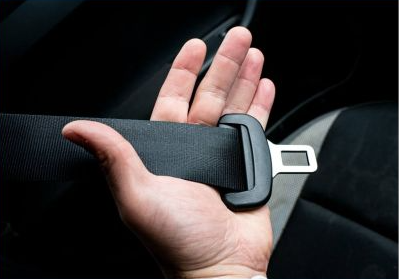

We know for a fact that seat belts save thousands of lives every year. Along with airbags and auto braking systems, they are one of several safety features that protect us in the event of an accident. The essential design and functionality of a seat belt has remained the same for many years. That speaks to the fact that a properly constructed seat belt is one of the most effective tools in keeping people safe while they’re on the road.
Obviously, no one should drive without being strapped in with a seat belt, but using one does not automatically ensure protection if there is a crash or any other type of auto accident. If, for example, the seat belt you are using is defective, you can end up with serious injuries that impact the quality of your life in many ways. Defective seat belts may be improperly designed or installed, or there is a computer wiring issue that prevents the belt from working as it should. No matter the reason, you may have grounds to seek monetary compensation from a product liability lawsuit.
Our law firm has a long and solid record of recovered settlements on behalf of car accident victims. Seat belt cases are especially dangerous, since people assume that the belt will lock securely and keep them from being thrown around in the car. As a result, a seatbelt defect goes unnoticed until it’s too late. If you are in need of legal advice from a car accident lawyer with experience in manufacturer negligence, contact our law firm as soon as possible.
In the event of a crash, we assume that seat belts will keep us from bearing the worst of the impact. But seat belts have come a long ways since their inception, and the original belts were simply straps that went across the waist. Over time, seat belts were made safer with the addition of a strap that went across the shoulder.
When a seat belt has any sort of defect, there is a high chance that the person using it will be injured, even if the car comes to sudden stop or makes a sharp turn. That’s why rigorous testing and inspections must be conducted by auto manufacturers when they design and construct a new vehicle. Below are just some the ways that seatbelts can be dangerous for you and anyone else in a car:
- Seat belts that fail to retract properly – there is too much slack or spool, which prevents the belt from keeping the user restrained when there is a forceful impact to the car. Frankly, the effect of seatbelts that do not retract properly is virtually the same as not wearing a seat belt at all.
- Buckle does not latch properly – meaning the latch does not lock securely in the buckle, or the buckle is not secure in the seat. Either way, any kind of impact to the vehicle or the person moving forward in their seat can cause the belt to come apart.
- Improper or low grade materials – this can cause the seatbelt to rip apart or unlatch during an accident. Or, the belt can apart at any point because it cannot withstand the pressure that’s being applied by the user’s body.
A seatbelt with a known or hidden defect makes every trip dangerous, whether you are going down the block or driving across the country. It’s essential that manufacturers understand the harm that can come from seatbelts with seemingly minor issues. For example, the alignment of the car seat and seatbelt may be off by just an inch or two, but this can result in the belt going across the neck or face rather than the shoulder. Lacerations, strangulation, and rug burns are common injuries that are caused by improper seat belt placement.
Injuries from a Defective Seat BeltSeat belts are meant to protect passengers and drivers ,and those who do not wear their seat belts are at an increased risk of injury and death. But a defect renders the product unsafe at any point during a drive and cause the user to suffer injuries, such as:
- Broken bones
- Concussion and other brain injuries
- Dislocation in the joints
- Internal organ damage (rupturing or puncturing)
- Kneecap fracture
- Whiplash
- Spinal cord damage
- Disc herniation (slipped disc)
- Disfigurement to your face and other parts of the body
- Puncture wounds and deep cuts
- Severing of limbs and digits
- Muscle and ligament tears
- Permanent nerve damage
- Worsening of preexisting conditions
- Paralysis (paraplegia, quadriplegia)
- Coma
- Death
You can end up with numerous injuries just from the fact that your seatbelt failed in that one critical moment. Aggravation of a prior injury is another reason that that defective seat belt cases are so dangerous. The costs of recovery after a car accident are staggering for the average victim, but compensation from a seatbelt failure injury claim can help you move forward with the rest of your life.
Filing a Seat Belt Injury Accident ClaimFor the most part, victims of auto accidents file a claim with the insurance company or the driver at fault, or perhaps, their own insurance company, depending on the terms of their policy. With seat belt defects, however, you need to take action against the automobile company, or possibly a separate business that designed / manufactured the belt.
A product liability claims requires that you show a specific defect with the product, like faulty design, low-grade materials, or lack of warnings / clear instructions. You may also experience problems with a seatbelt that’s under recall, so that means one or more models by the same company are defective and you should stop using them immediately. Unfortunately, many people get injured before a recall is announced, which is why you may have heard of class actions lawsuits for seatbelts.
An effective claim for bodily harm and/or property damage includes a wide body of evidence, such as:
- Photos of the seatbelt showing the irregularity, defective component, and other problems with the item. To ensure that you can preserve this important piece of evidence, don’t use the seatbelt or repair / alter it in any way.
- Pictures of injuries to yourself or a family member and any damage to your car and other vehicles and structures at the accident scene.
- Written statements from passengers and people in the area that saw the accident.
Make sure to include a copy of the police report if law enforcement came to the scene and try to see if there are any surveillance cameras in the area. Nearby buildings and traffic lights are good locations for cameras that may have captured the incident. Additionally, go to the hospital as soon as possible so that your injuries are properly diagnosed and treated. This is a critical step, as you have to have proof of bodily harm or property damage to proceed with a product liability claim. It’s also worth noting that some injuries may not be apparent right away, but left untreated, they quickly get worse and leave you with permanent damage.
Seat Belt Failure Lawsuit Case ValuesLawsuits where people are injured by a defective seat belt can have case values that start at the $5,000 mark and go all the way up to several million dollars. Those with minor injuries like abrasion and cuts may receive payments in the $5,000 to $10,000 range. If you have a bone fracture, soft tissue injuries, and other damage that required long-term medical care, the expected settlement may fall between $30,000 and $100,000. For more serious injuries, like damage to the spinal cord, a settlement can easily exceed $100,000, and cases of catastrophic injury or death are likely to exceed $1,000,000.
Because a manufacturing defect can harm many people, perhaps hundreds or thousands, there may be a class action lawsuit that you can join with other victims. A class action lawsuit can increase your chances of success, but keep in mind that the money awarded must be split among all the plaintiffs. This can result in some people receiving less than they would if they had filed a seat belt defect claim on their own. So, it’s important to discuss the pros and cons of joining a seat belt failure class action lawsuit.
A lawyer can also talk to you about the variables that can impact your settlement value, such as:
- Your injuries and the chances of a full recovery
- Your current and projected medical expenses
- Lost wages and projected loss of income
- Degree of mental and physical anguish (pain and suffering)
- If there are multiple entities that are legally responsible for the accident
Personal injury cases involving product defects may be settled within a few months if there is clear evidence of liability and all the involved parties cooperate to reach a settlement without the need for litigation. However, many of these cases involve complex legal issues and disputes over the level of injury, who is at fault, etc., and this can add to the amount of time to settle the claim. In these instances, you are probably looking at a timeline of 6 to 12 months. If the case progresses to a lawsuit and it’s clear that a compromise cannot be reached, a lawsuit for defects with a seat belt can take up to 3 years, maybe longer depending on how long it takes to obtain a jury verdict and go through the appeals process, if necessary.
If you wish to file a compensation claim against the automaker or seat belt manufacturer, you have a limited amount time to initiate a legal action. In California, you have 2 years starting from the accident date to file a personal injury lawsuit. This includes product liability claims, as well as car accidents, so it’s imperative that you take action as soon as possible. If you are past the statute of limitations for a seatbelt injury claim, the court system will prevent you from seeking restitution from the liable entity.
Under limited circumstances, you can have the deadline extended. Minors who are in an accident, for example, have 2 years from when they turn 18 to seek monetary restitution. A lawyer specializing in seatbelt failure cases can help you figure out the exact amount of time you have for an accident claim.